

Mesothelioma Life Expectancy
It can be a life-changing experience to find out that you are suffering from mesothelioma. Often patients are told they only have months to live after being diagnosed.
Mesothelioma is a cancer that develops in the lung's lining (pleura) and, less frequently in the lining of the abdominal cavity (peritoneum). The main risk factor is exposure to asbestos.
Age
Mesothelioma affects the linings of organs like the stomach and lungs. It usually develops 30 to 50 years after exposure to asbestos. Mesothelioma symptoms are often similar to other diseases and conditions that make it difficult to diagnose. Patients suffering from mesothelioma may live longer if they receive treatment that targets their specific type.
Mesothelioma prognosis is also influenced by the stage of mesothelioma that the patient is in. Doctors define mesothelioma stages in accordance with the extent to which cancer has spread. For example, those with mesothelioma in stage 1 have a better prognosis than those with mesothelioma that is in later stages due to it being simpler to treat cancer that has not yet been able to spread.
The type of mesothelioma could also impact a patient's outlook because tumors are classified by their cell types. There are two main types of mesothelioma cells: epithelioid, and sarcomatoid. Sometimes, tumors have both types of cells (biphasic pleomorphism). Epithelioid Mesothelioma, which is the most common mesothelioma type, is more receptive to treatment than sarcomatoid.
Any unusual symptoms should be reported to a doctor especially if they're caused by asbestos exposure. The doctor can take a tissue sample for testing which is known as a biopsy. The results will confirm mesothelioma, or exclude other illnesses. If the patient has had a history of exposure to asbestos the patient may be eligible for further tests.
A diagnosis of mesothelioma can be an extremely stressful and difficult moment for patients and their families. Understanding mesothelioma life expectancy can help patients prepare for the future and make informed choices about their medical treatment.
If you or someone near you was recently diagnosed with mesothelioma it is crucial to speak with an expert about your past asbestos exposure. Regular screenings are essential for asbestos-related diseases such as lung cancer and other respiratory illnesses.
Gender
Women are also affected by mesothelioma. Men are the majority of patients, but women too suffer from this life-altering diagnosis. Mesothelioma has a reputation as a disease that exclusively is affecting men due to its association with worksite exposure and blue-collar jobs. Asbestos was widely used in construction throughout the majority of the 20th century. Many male workers were exposed to the substance on a daily basis as they performed their duties.
The primary reason for mesothelioma is asbestos exposure. Mesothelioma may also be caused by exposure to asbestos in the home or in secondary sources, such as the environment. According to studies asbestos exposure can affect men and women equally even if the work place is no longer a source of asbestos.
Mesothelioma sufferers have a shorter experience of exposure to workplaces. Many of them were impacted by their husbands' or another family member's occupational exposure. Many have been exposed to asbestos from environmental exposure, such as from schools and homes that were contaminated with asbestos.
A recent study on gender differences in patients diagnosed with mesothelioma revealed complex and significant changes. The study, which was conducted by Mesothelioma UK in collaboration with 12 King's Bench Walk, HASAG and Irwin Mitchell, focused on mesothelioma patient experiences across the various stages of diagnosis. The study revealed that gender is a major aspect of how patients see their legal and treatment options.
Yuma asbestos lawyer , for instance tend to be more emotionally involved in the decision-making process in relation to their legal strategy. They are more likely than men to think about the impact of their choices on their family and prioritize the ones that are compatible with their obligations. Men, on the contrary are more focused on their financial and medical health and choose more aggressive treatment and clinical trials. This is especially relevant for patients suffering from pleural msothelioma. It is crucial to remember that a mesothelioma diagnosis can be stressful for both women and men. Even if symptoms aren't yet evident the patient's quality of life is negatively affected by their diagnosis. It is crucial to recognize that each patient has their own needs, regardless of gender.
Type of Mesothelioma
Mesothelioma is classified as a form of cancer because it involves abnormal cells that invade and destroy healthy tissue. It may also spread to distant areas of the body through the lymphatic or blood system. The symptoms of mesothelioma vary depending on its kind, location, and stage.
The most frequent and serious form of mesothelioma, malignant pleural mesothelioma. It develops in the lining of protection that covers the chest cavity and lungs known as the pleura. Inhaling asbestos fibres causes them to get stuck in the pleura, irritating it and possibly causing gene mutations that lead to cancer.
The signs of this disease don't typically show up until decades after exposure to asbestos. Workers in a variety of industries might have been exposed to asbestos, such as shipbuilders, construction workers, auto repairmen and power plant employees. Workers often brought asbestos into their homes through their clothing or hair, putting the families at risk of developing mesothelioma.
Asbestos is a mineral that occurs naturally that was used to create various products ranging from car brakes to shingles. When asbestos is mined or processed, it creates tiny fibres that are released into the air. If you breathe in these fibres they can settle in the lungs or stomach and cause irritation that could result in mesothelioma.
Workers who work with asbestos are more likely to be developing mesothelioma than other workers. The time between diagnosis and mesothelioma can make it difficult to determine since many patients do not have a clear history or haven't reported any symptoms to their doctor. This can make mesothelioma difficult to diagnose, since the symptoms mimic those of other illnesses.
The mesothelioma type can have a significant impact on the life expectancy of a patient. There are three main types of mesothelioma tumours that include epithelioid, biphasic and sarcomatoid. The cell type can aid doctors in determining the most effective treatment for each patient. Different types of tumors respond differently to treatments, which can improve a patient's prognosis.
Treatment
Asbestos fibers are small and can easily penetrate the lungs if inhaled. The mesothelioma-causing effects of these fibers can occur when they irritate organ linings. It takes between 10 and 50 years for the symptoms to be evident, and they could be misinterpreted as other illnesses like the pneumonia or the flu.
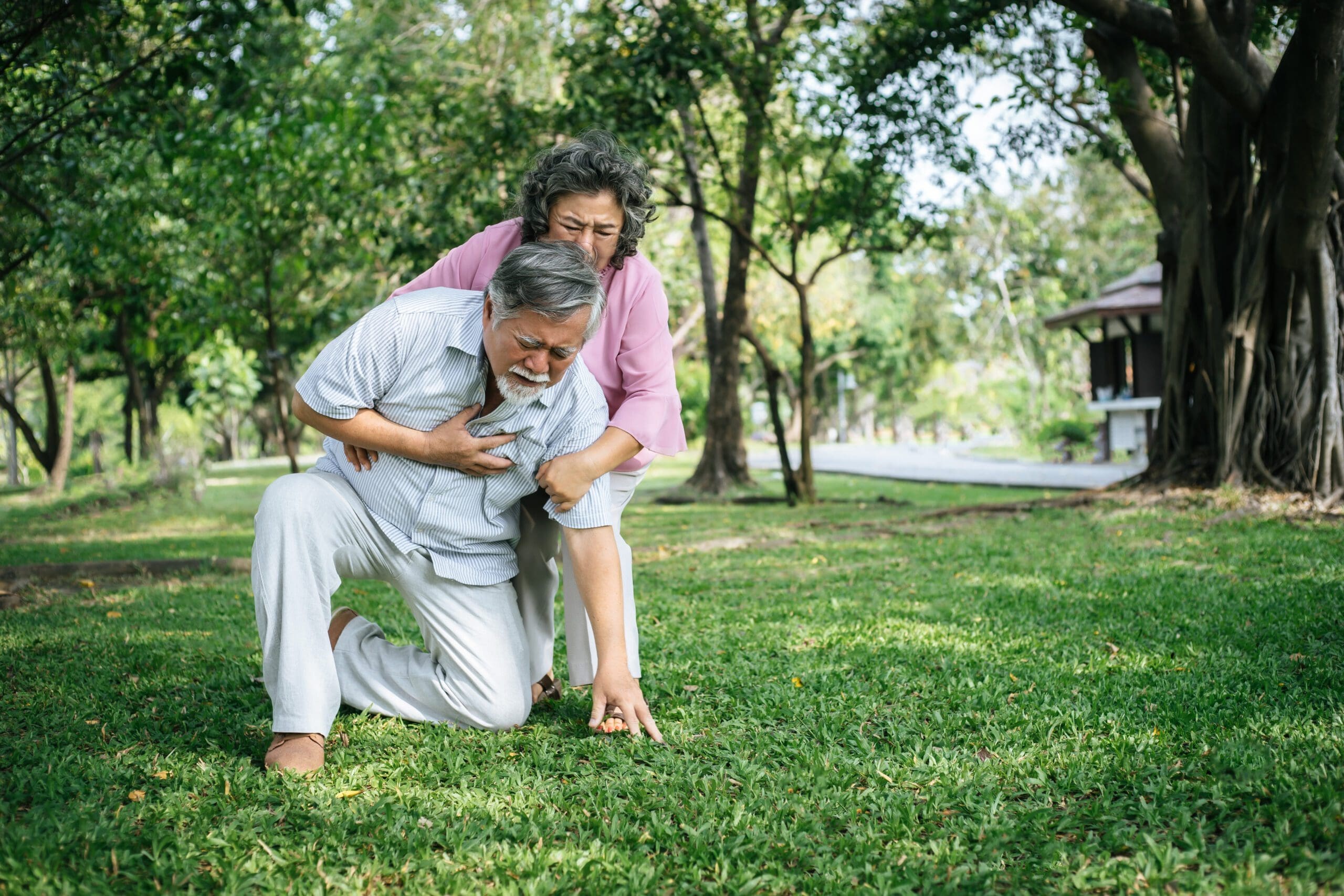
Mesothelioma symptoms include chest pain, abdominal pain, and breathing problems. To diagnose mesothelioma, a thorough medical history and examination are required. Doctors will look at the general health of a patient and lifestyle, including smoking habits and overall fitness level. They'll also inquire about asbestos exposure in the past.
A patient's physician may order imaging scans or blood tests to confirm the diagnosis of mesothelioma. These tests will allow doctors to determine if mesothelioma has occurred in the lungs or abdomen and also what kind it is. Patients with mesothelioma usually have either epithelioid cells or sarcomatoid tumor cells. The epithelioid cell type is the most common and most susceptible to treatment. The sarcomatoid cells are more likely to spread, and has a lower prognosis.
Treatments for mesothelioma could include chemo, surgery and radiation. These procedures can boost the lifespan of patients with mesothelioma. Doctors can provide different treatment plans based on the patient's unique circumstances, and they will take into account factors like the type of mesothelioma they are treating and the stage of the disease.
The patient's age and overall health can also affect the chance of survival for mesothelioma. Smoking makes pleural mesothelioma worse and reduce the chance of survival. In addition, patients who are older be more difficult to fight off the disease and are less likely to respond to treatment options like immunotherapy. Patients who have a positive outlook and who seek the support of their families can boost their chances of surviving.